

Study Hall
Research Spotlight:
Enhancing An Impressive Tradition

ore than 40 years ago, UC Berkeley Law faculty helped pioneer the visionary field of law and economics. Today, a deep bench of scholars is not just upholding that tradition but advancing it.
Renowned emeritus professors Robert Cooter and Daniel Rubinfeld put the school — and the field — on the map with pathbreaking research incorporating economic insights into the study of law. Cooter, Rubinfeld, and Professor Aaron S. Edlin have all been president of the American Law and Economics Association.
UC Berkeley Law continues to prioritize the area, hiring seven professors who specialize in it in the past six years while bolstering course offerings for J.D. students and those in the Ph.D.-granting Jurisprudence and Social Policy Program (JSP).
Calling Cooter, Rubinfeld, Edlin, and Professor Alan Auerbach “giants in the field,” Professor Andrew C. Baker says the school has built on that foundation to house “the deepest and best bench of empirical legal researchers in the country — a unique strength of our institution.”
The crux of law and economics, Edlin explains, is analyzing law from the perspective of choosing the law that’s best for society rather than textual analysis or legal philosophy: “Figuring that out with data, as opposed to pure theory, is a huge advance.”
His colleagues work in myriad fields. The largest cluster, including Professors Kenneth Ayotte, Adam Badawi, Baker, Ofer Eldar, Stavros Gadinis, Prasad Krishnamurthy, Frank Partnoy, and Steven Davidoff Solomon, focuses on the wide spectrum of business and corporate law.

Professor Veronica Aoki Santarosa, a legal and economic historian, uses original archival research to study how the law creates and supports markets. She and Professor Dhammika Dharmapala, an expert on taxation and public finance, the economic analysis of law, and corporate finance and governance, teach JSP courses.
Professors Peter S. Menell and Robert P. Merges, architects of the school’s massive tech law footprint, bring an economist’s perspective to intellectual property and copyright. Other faculty also draw from the law and economics toolbox, including Gadinis and Professors Katerina Linos and David Hausman.
“Berkeley offers unparalleled support and freedom to pursue one’s own scholarly agenda,” Santarosa says. “I appreciate the law school’s commitment to interdisciplinary cooperation across the university — we have so much to learn from each other.”
The Berkeley Center for Law and Business is another hub for faculty and students, and Edlin leads the Law, Economics & Politics Center — which strengthens ties between the law school and many other campus units.
With established senior scholars and younger faculty making a splash, Gelbach sees Berkeley as “the best place in the world to be a law and economics scholar.”
Honors Spotlight:
Flourishing Faculty

RACING FORWARD: Renowned author and speaker Savala Nolan ’11, executive director of our Thelton E. Henderson Center for Social Justice, won the Lawyers’ Committee for Civil Rights Keynote Living the Dream Award for “groundbreaking work in promoting racial justice and equity” that “set new standards for progress.” She spearheaded the school’s Race and Law concentration and an endowed racial justice fellowship, and contributed to the Peabody Award-winning NPR podcast “The Promise.”
PAGING EXCELLENCE: Professor Dylan Penningroth’s buzz-generating book Before the Movement: The Hidden History of Black Civil Rights won a whopping 12 awards and was a finalist or shortlisted for four others. Examining slavery’s last decades to the 1970s, partly tracing his own family’s history, Penningroth challenges accepted understandings and shows how Black people regularly dealt with the laws of property, contract, inheritance, marriage, divorce, associations, and more.
STANDOUT SCHOLAR: Dean Erwin Chemerinsky won the 2025 American Bar Foundation Outstanding Scholar Award, which honors someone who produced outstanding scholarship on the law or government. Last year, in addition to publishing many articles and op-eds, Chemerinsky released his new book No Democracy Lasts Forever: How the Constitution Threatens the United States, as well as the seventh edition of his Constitutional Law casebook and the third edition of his First Amendment casebook.
GLOBAL CITIZENS: Our Honorable G. William and Ariadna Miller Institute for Global Challenges and the Law was chosen from over 100 nominees for one of the East Bay Chapter of the United Nations Association’s annual Global Citizen Awards. An association executive committee member wrote that Professors and Co-Directors Laurel Fletcher and Katerina Linos, Administrator Toni Mendicino, and the institute “are exemplary due to your outstanding record of teaching, research, and advocacy.”
BROADBAND BUZZ: Professor Tejas N. Narechania co-authored a paper that won the Internet Research Task Force Applied Networking Research Prize for showing large gaps in broadband availability and information quality certified by major Internet service providers to the federal government compared to what’s truly offered to end users. The paper was the basis of an amicus curiae brief submitted to the U.S. Supreme Court regarding a False Claims Act case against an AT&T subsidiary.
Scholarship Spotlight:
Prolific and Perceptive Professors
Here are a dozen recent examples showcasing the depth and importance of their wide-ranging scholarship.
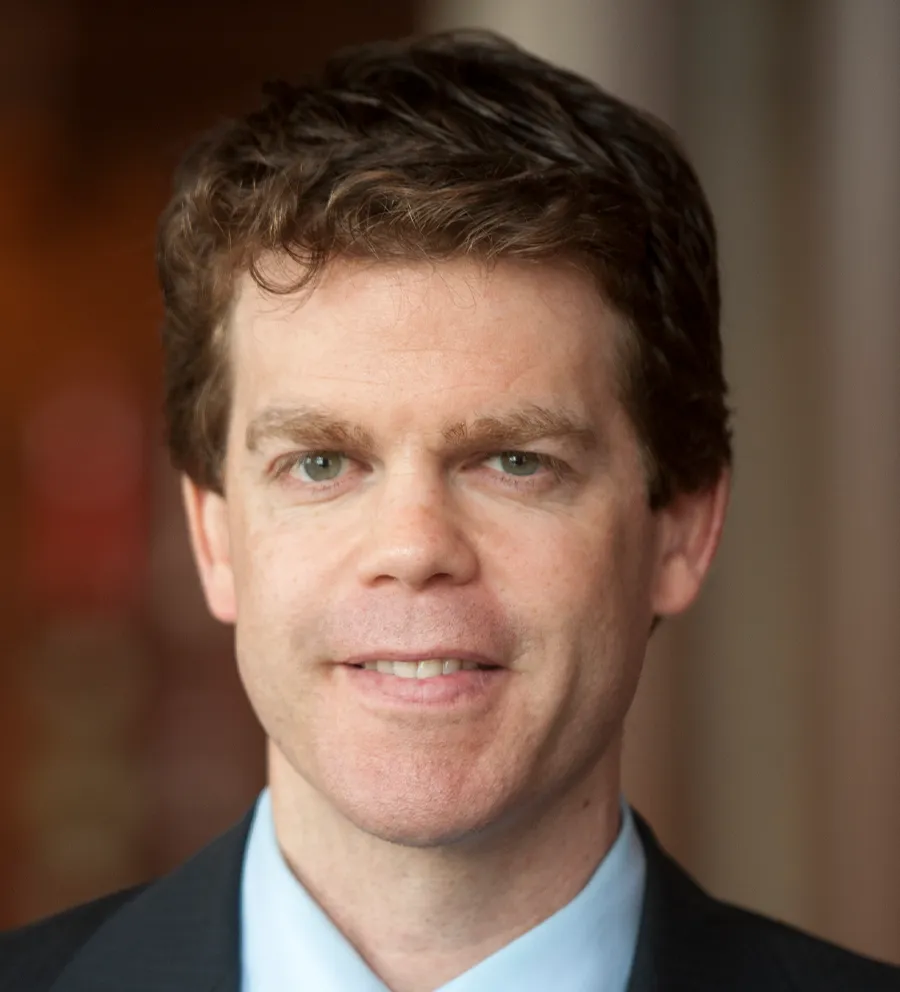
 ADAM BADAWI
WITH ROBERT BARTLETT
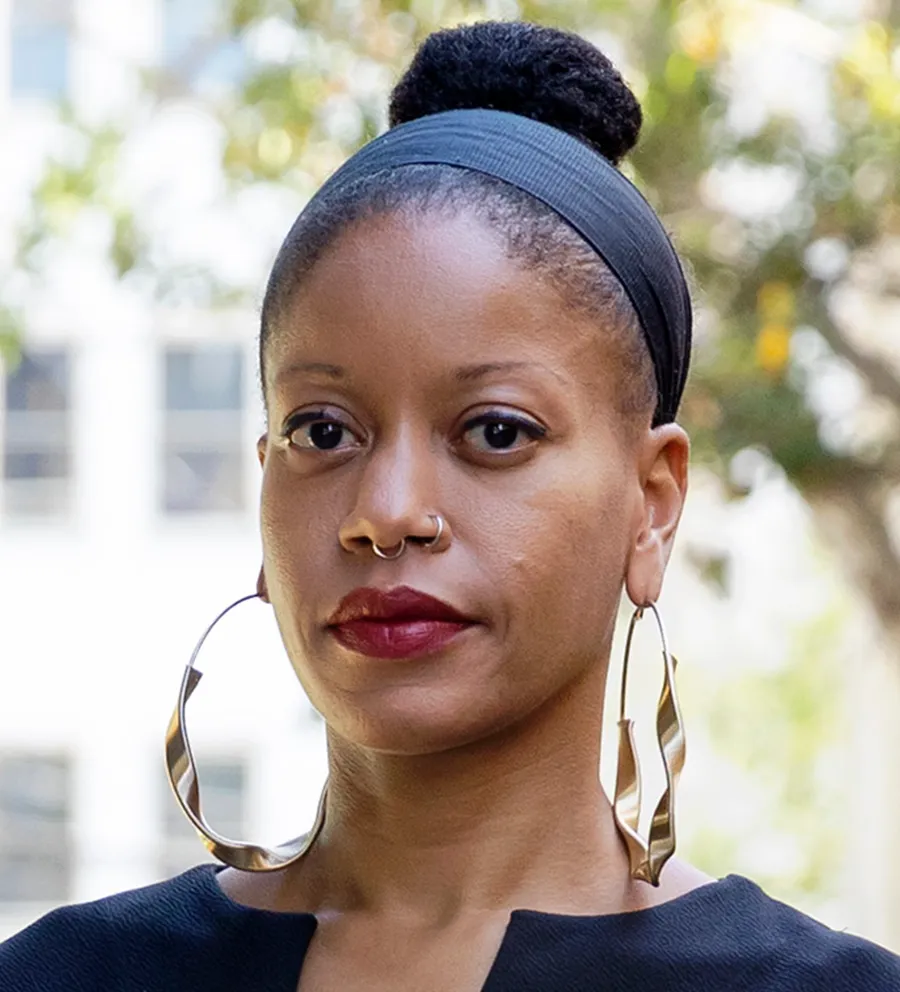 KHIARA M. BRIDGES
 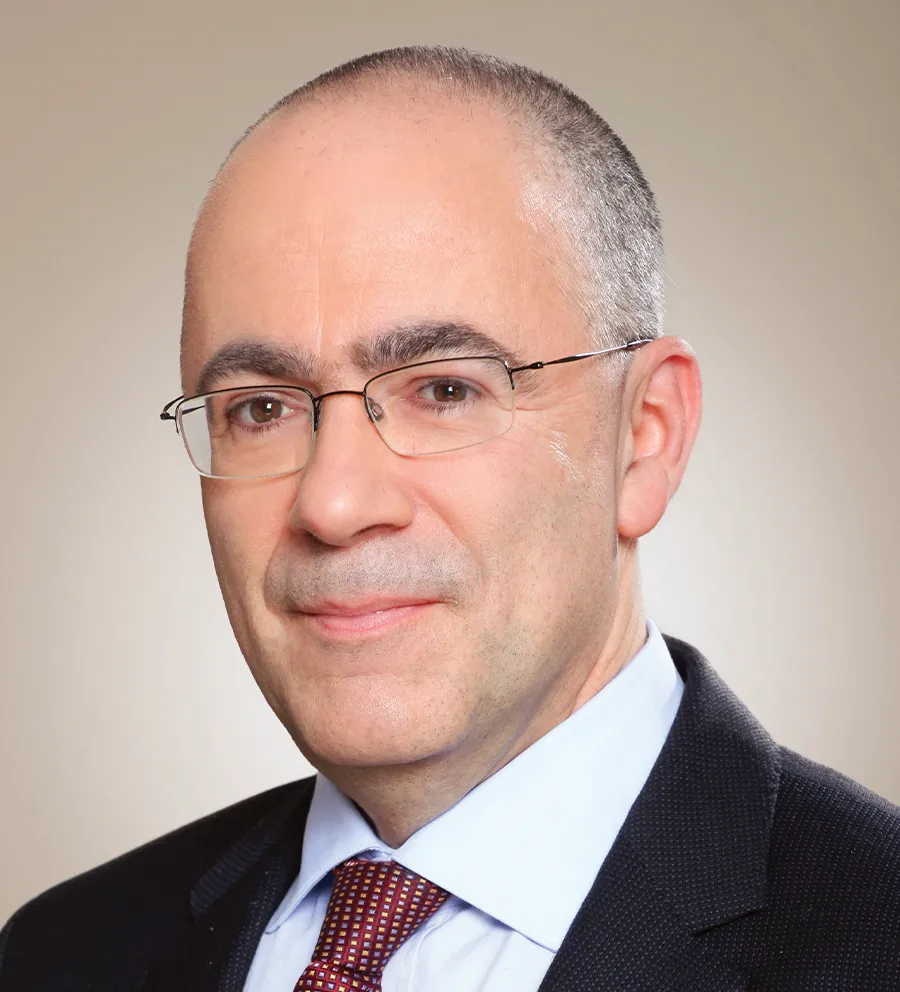 HANOCH DAGAN
WITH AVIHAY DORFMAN
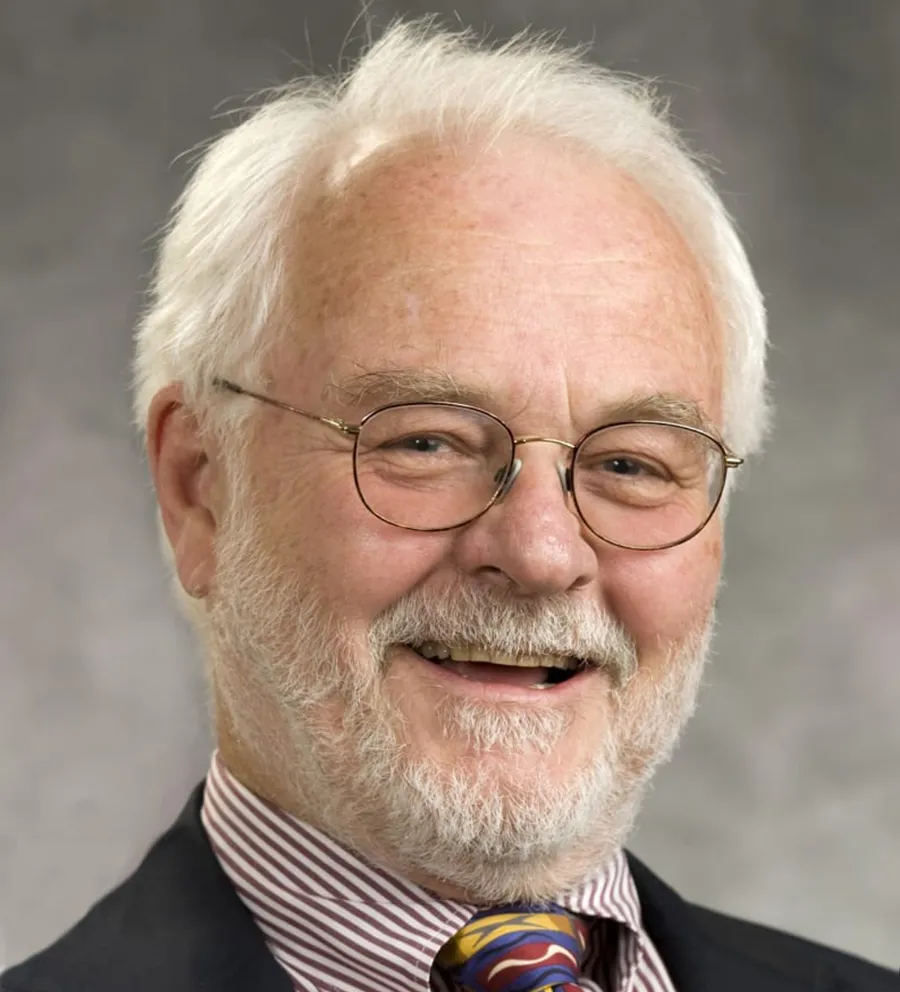 MALCOLM FEELEY
WITH VAN SWEARINGEN
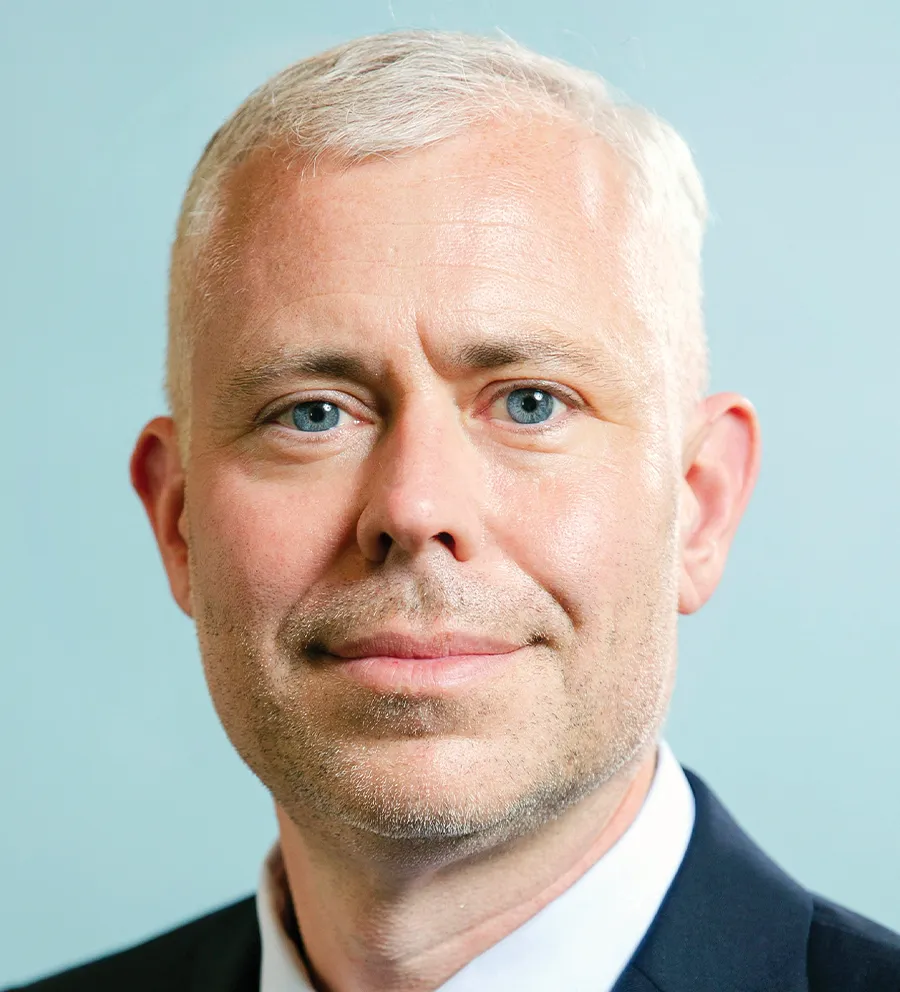 CHRIS JAY HOOFNAGLE
WITH GOLDEN G. RICHARD III
 PRASAD KRISHNAMURTHY
WITH TUCKER COCHENOUR
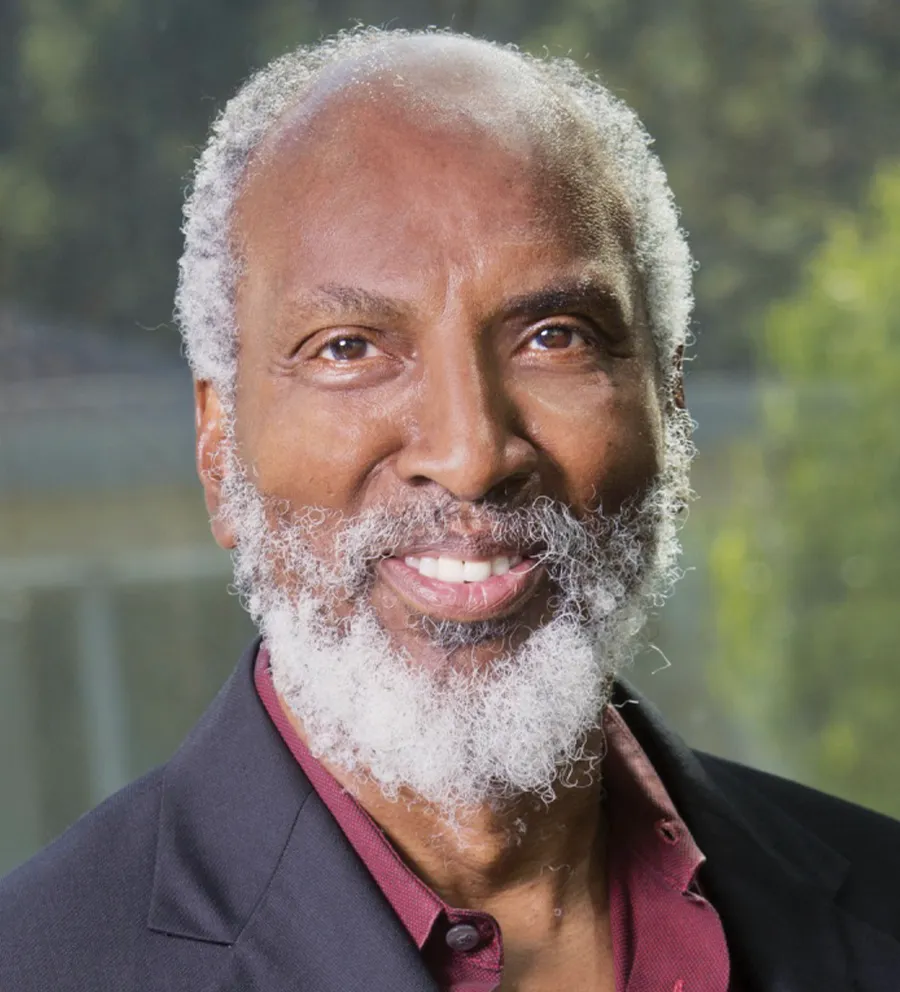 JOHN A. POWELL
 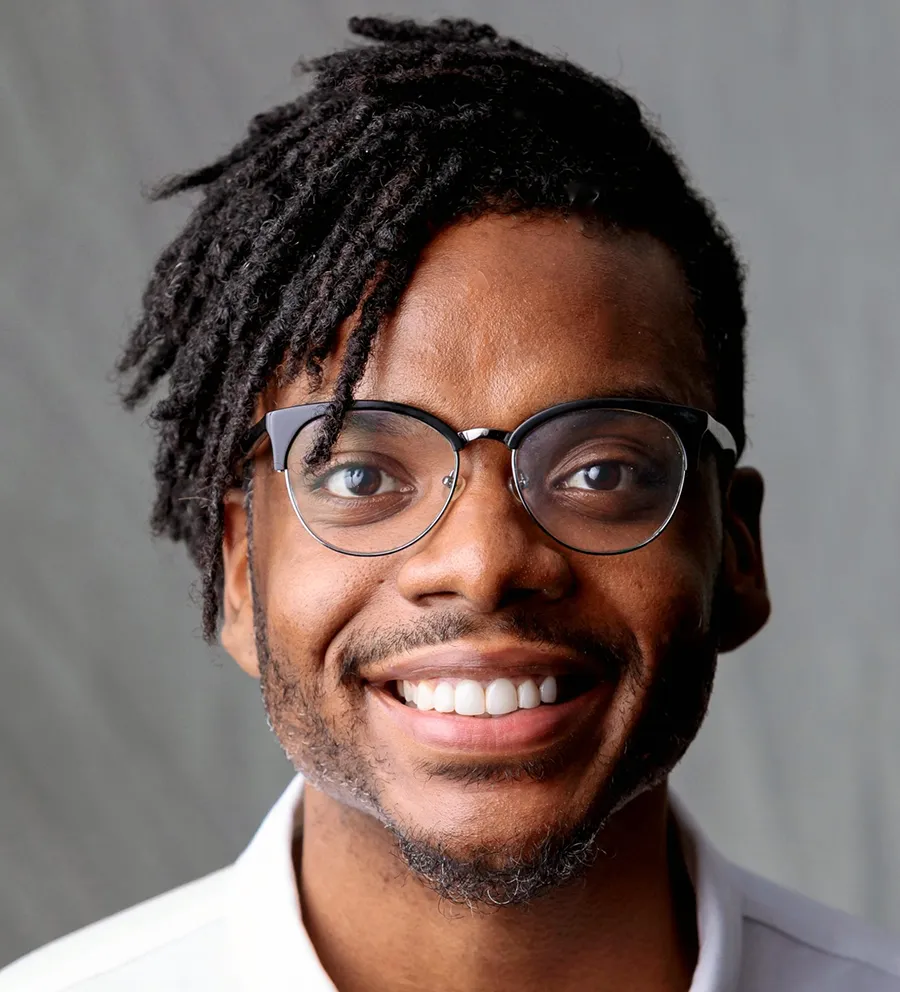 ASAD RAHIM
 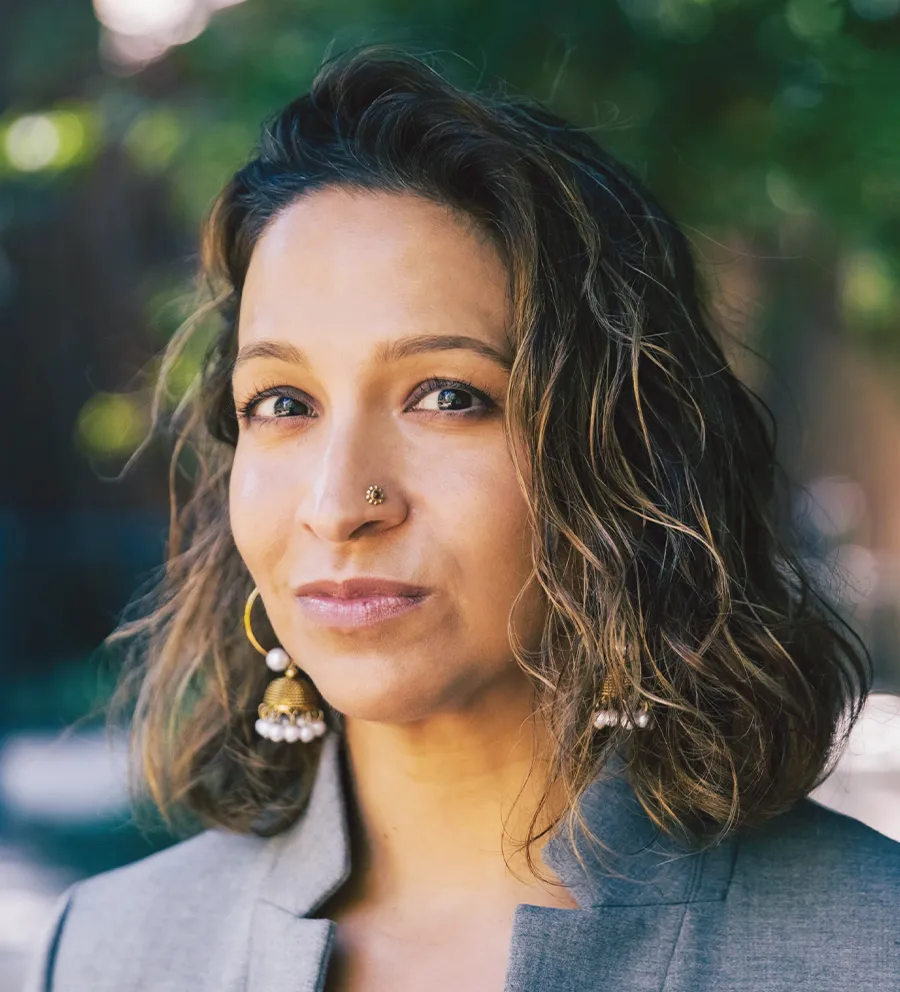 DIANA S. REDDY
  ANDREA ROTH
 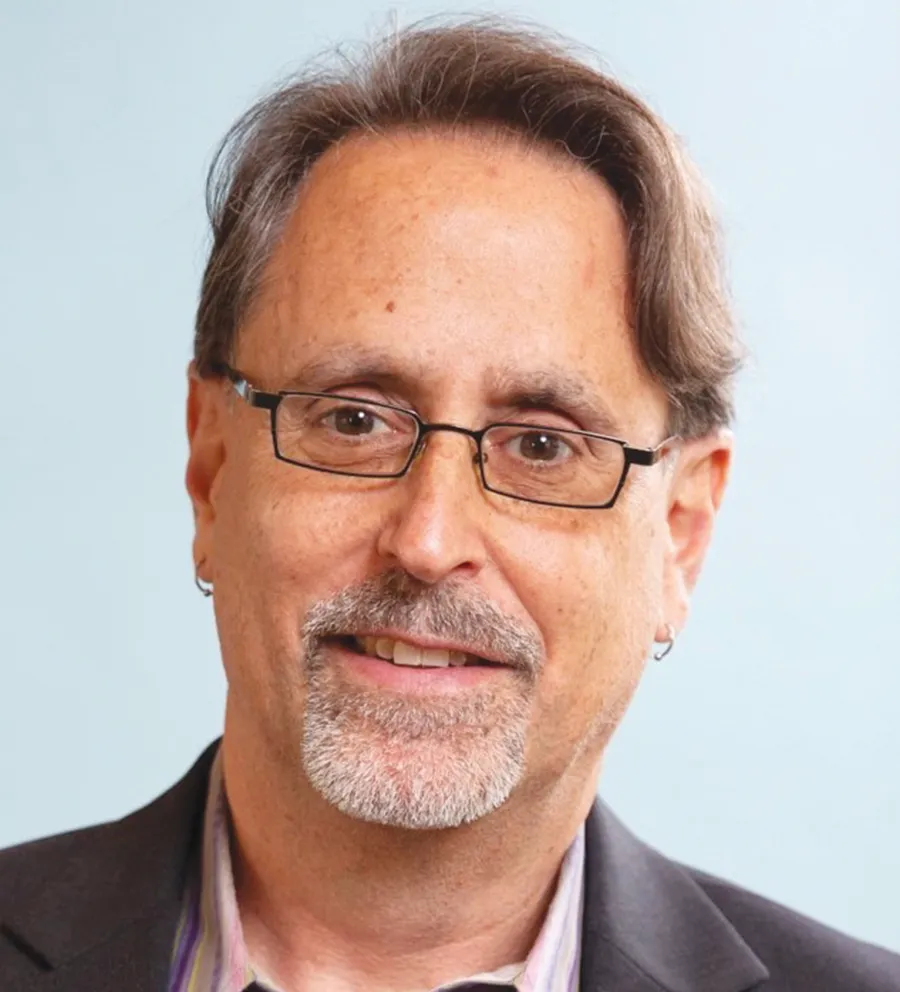 JEFFREY SELBIN
 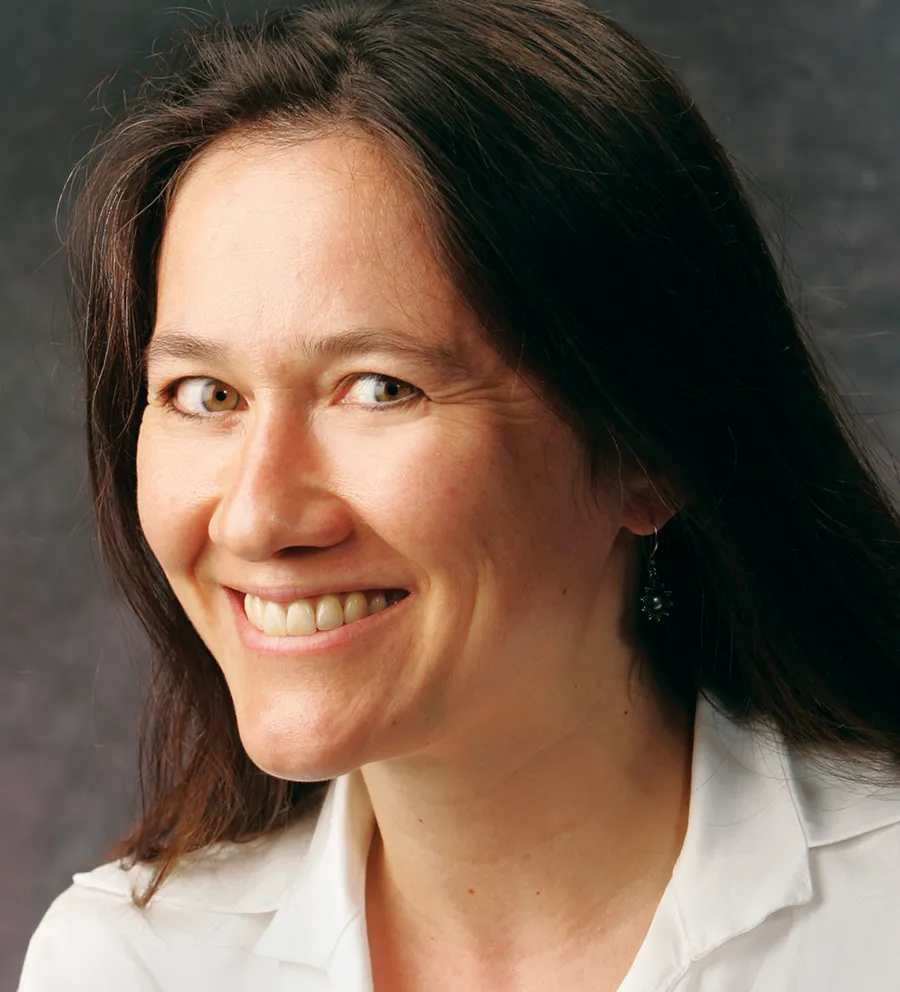 LETI VOLPP
 Rankings Spotlight:
Highly Revered: Myriad Metrics Put Berkeley in Lofty Company
C Berkeley Law is rated the world’s No. 6 best law school in this year’s Times Higher Education World University Rankings, up from No. 8 last year.
The annual comprehensive assessment ranked 389 institutions from 48 countries and territories, using 18 performance metrics that reflect distinctive qualities within the academic discipline of law worldwide.
The rankings evaluate excellence across constitutional and administrative law, international law, commercial and corporate law, criminal law and justice, and legal theory and jurisprudence.
In addition, preLaw magazine’s field and subject rankings give UC Berkeley Law top marks across several disciplines, with an A+ rating for technology, international, criminal, intellectual property, environmental, human rights, and business law. Legal technology (ranked No. 1 nationally) and racial justice (No. 6) also garnered an A+ rating. The school earned an A for employment and public policy law, and an A- for trial advocacy.
UC Berkeley Law’s powerhouse faculty also ranks No. 6 among United States law schools in scholarly impact, according to the latest version of a study that tracks citations as a measure of professors’ influence.
Dean Erwin Chemerinsky is the school’s most-cited scholar and ranks second nationally. He and six fellow professors were recognized among the most-cited scholars in their fields between 2019 and 2023.
“I was delighted to see that Berkeley Law was sixth among all law schools in the country in the recent study of scholarly impact, as well as having many faculty who are among the most frequently cited in their fields,” he says. “This reflects that our school has a very prolific faculty whose scholarship is widely recognized as important and influential.”
Fellow professors Khiara M. Bridges, Daniel A. Farber, Ian Haney López, Peter S. Menell, Robert P. Merges, Pamela Samuelson, Steven Davidoff Solomon, and John Yoo rounded out the faculty’s most-cited scholars.
Chemerinsky, who is also the nation’s top-cited constitutional law professor during that stretch, calls the faculty’s ranking a testament to “the depth and breadth of their excellence.”
The so-called “Leiter score,” created by University of Chicago professor and law blogger Brian Leiter, calculates a faculty’s scholarly impact from the mean and median of tenured professors’ law journal citations over a five-year period. More recently, a group of St. Thomas University School of Law professors have updated the rankings every three years.
UC Berkeley Law ranked sixth in the 2021 rankings, up from seventh in 2018. The school has hired nearly 40 full-time professors since 2017 — including nine in one year in both 2019 and 2023 — bolstering an already impressive faculty with new ideas, scholarly agendas, and methodological chops.
Another recent ranking of citations for 114 tax law professors with Google Scholar pages lists UC Berkeley Law professors Alan Auerbach No. 2 and Dhammika Dharmapala No. 7, respectively.

UC Berkeley Law professors among the 15 most-cited scholars in their respective fields (2019-2023):
 Erwin Chemerinsky,
 No. 2, Constitutional Law
Catherine Fisk,
No. 3, Labor & Employment Law
Steven Davidoff Solomon,
No. 3, Corporate Law & Securities Regulation
Jonathan Simon,
No. 7, Law & Social Science*
Paul Schwartz,
No. 9, Law & Technology
Christopher Tomlins,
No. 10 (tie), Legal History
Sean Farhang,
No. 14, Law & Social Science*
*Category does not include economics